
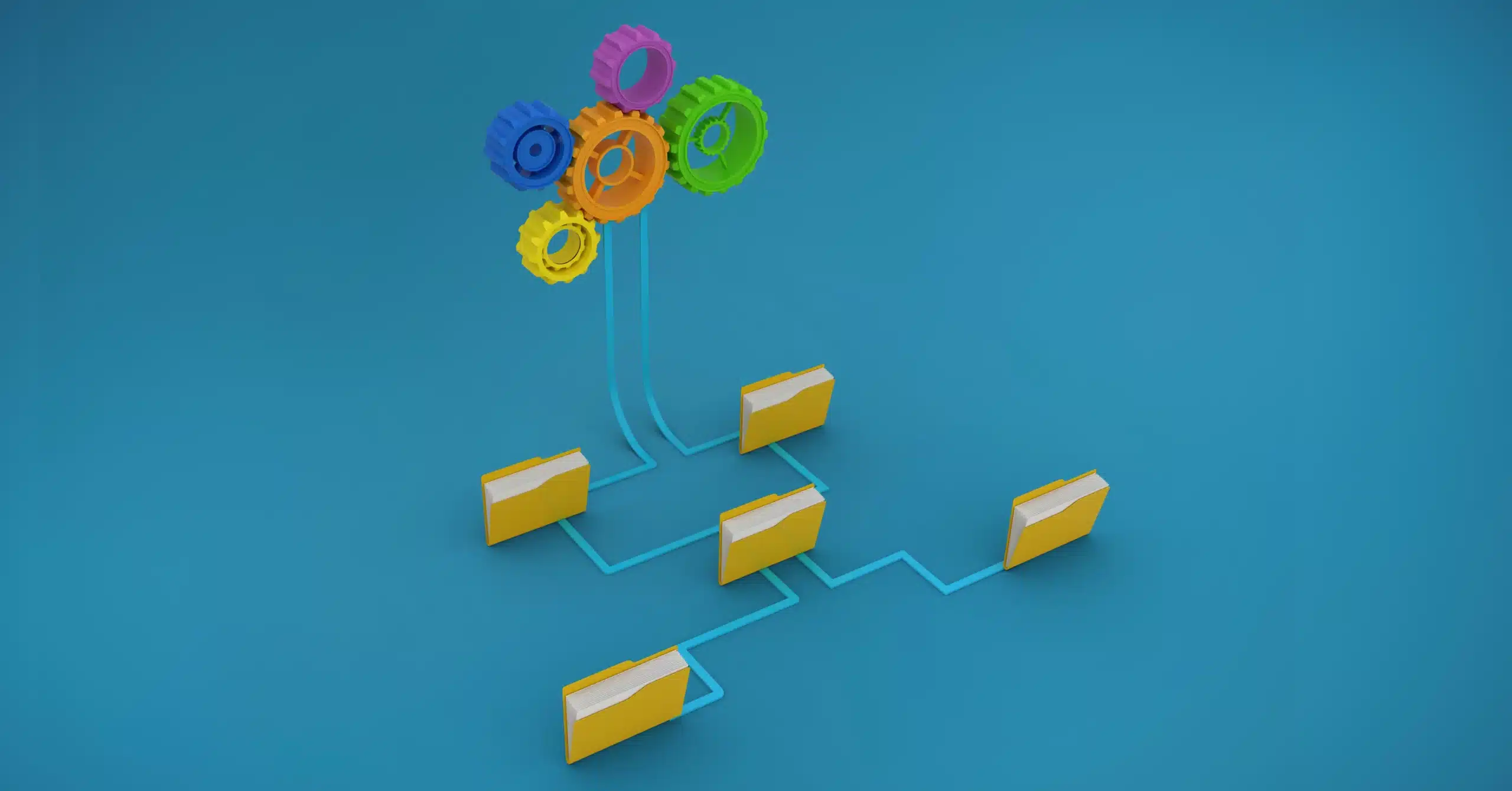
Persistent Context Layer refers to a system architecture component that continuously stores, maintains, and retrieves contextual information across sessions, interactions, or processes over time. It enables systems to retain memory beyond a single interaction window, ensuring continuity, personalization, and long-term relevance.
This layer acts as a bridge between transient processing and long-term memory, allowing applications to recall past interactions, user preferences, system states, and environmental variables even after a session ends.
What is Persistent Context Layer?
Most systems operate with two types of memory. Short-term memory handles immediate tasks and active processing, while long-term memory retains information for future use. A Persistent Context Layer connects these two by ensuring that relevant context is not lost once an interaction is completed.
Without persistence, systems treat every interaction as isolated. This leads to repeated inputs, a lack of personalization, and fragmented user experiences. A Persistent Context Layer solves this by maintaining continuity across time.
The concept is especially important in artificial intelligence, where maintaining context across multiple interactions significantly improves response quality and user engagement. It is equally relevant in enterprise systems, customer platforms, and data-driven applications where historical context informs future decisions.
How a Persistent Context Layer Works
Here’s a simple working of a persistent context layer:
Context Capture
The system collects contextual data during interactions. This may include:
- User inputs and behavior
- System responses
- Environmental or situational data
- Metadata such as timestamps and session identifiers
Context Structuring
Captured data is organized into structured formats. This may involve tagging, indexing, or embedding information to make it searchable and meaningful.
Persistent Storage
The structured context is stored in a durable storage layer such as databases, vector stores, or distributed storage systems. This ensures that data remains available beyond the active session.
Context Retrieval
When a new interaction begins, the system retrieves relevant contextual information based on similarity, relevance, or predefined rules.
Context Integration
Retrieved context is integrated into the current processing flow. This allows the system to generate responses or actions that reflect past interactions and accumulated knowledge.
Continuous Updating
The context layer is continuously updated as new data is generated. Older or less relevant context may be refined, compressed, or removed based on system policies.
Key Components of Persistent Context Layer
Context Repository
The storage system where contextual data is persistently maintained. This may include relational databases, NoSQL systems, or vector-based storage.
Context Indexing Mechanism
A system for organizing and tagging context so it can be efficiently retrieved. This includes metadata tagging, semantic indexing, and search structures.
Retrieval Engine
The component responsible for fetching relevant context based on queries, similarity matching, or rules.
Integration Layer
The mechanism that merges retrieved context with current inputs to produce coherent outputs.
Governance and Policies
Rules that define how context is stored, updated, retained, or removed. This includes retention policies, privacy controls, and eviction strategies.
Types of Persistent Context
User Context
Includes preferences, behavior patterns, history of interactions, and personalization data.
Session Context
Captures information related to specific interactions or workflows, which may extend across multiple sessions.
System Context
Represents system states, configurations, and operational conditions.
Environmental Context
Includes external factors such as location, time, or device type that influence system behavior.
Semantic Context
Represents relationships between concepts, enabling deeper understanding and relevance in processing.
Applications of the Persistent Context Layer
Artificial Intelligence and Conversational Systems
Persistent context enables AI systems to maintain continuity across conversations. It allows systems to remember prior discussions, preferences, and user intent, leading to more relevant and coherent responses.
Customer Experience Platforms
Customer relationship management systems use persistent context to track user journeys, interactions, and preferences. This supports personalized engagement and improved service delivery.
Enterprise Software
Business applications rely on persistent context to maintain workflows, track decisions, and ensure continuity across teams and processes.
Recommendation Systems
Persistent context helps recommendation engines refine suggestions based on long-term user behavior and preferences.
Healthcare and Financial Systems
These systems require continuity of information across time to support accurate decision-making and compliance with regulations.
Benefits of Persistent Context Layer
Continuity Across Interactions
Ensures that systems do not treat each interaction as isolated, improving user experience and operational consistency.
Enhanced Personalization
Allows systems to tailor responses and actions based on historical data and user preferences.
Improved Decision-Making
Access to historical context enables more informed and accurate decisions.
Efficiency and Reduced Redundancy
Eliminates the need for repeated inputs and redundant processing.
Scalability of Intelligence
Supports the development of systems that become more effective over time as they accumulate context.
Challenges and Limitations of the Persistent Context Layer
Data Storage Complexity
Managing large volumes of contextual data requires scalable and efficient storage solutions.
Retrieval Accuracy
Ensuring that the most relevant context is retrieved without noise or irrelevant data can be challenging.
Privacy and Security
Storing persistent context introduces risks related to data protection, compliance, and user privacy.
Context Drift
Over time, stored context may become outdated or less relevant, requiring mechanisms for updating or removing stale data.
System Overhead
Maintaining and processing persistent context adds computational and architectural complexity.
Importance of Persistent Context Layer in Modern Systems
Persistent Context Layers are becoming essential as systems move toward more intelligent, user-centric, and adaptive behavior. Applications today are expected to remember, learn, and evolve over time.
In artificial intelligence, persistent context enables more natural interactions and long-term engagement. In business systems, it supports continuity, efficiency, and data-driven strategies.
Organizations that effectively implement persistent context gain a competitive advantage through improved user experiences, better insights, and more efficient operations.
Persistent Context Layer is a core component in modern system design that enables long-term memory, continuity, and contextual awareness. By capturing, storing, and reusing context across interactions, it transforms isolated processes into cohesive and intelligent experiences.
Its role spans artificial intelligence, enterprise systems, and data platforms, making it critical for building systems that are not only functional but also adaptive and user-aware. As technology continues to evolve, the importance of persistent context will continue to grow, shaping how systems interact with users and manage information over time.